Integrations Can Highlight Data Integrity Issues
Integrations Are Important
Anyone who has spent time in industry knows the importance of integrating systems to avoid duplicating data across multiple system and waste the time of staff who could be doing more important value adding activities rather than just shovelling data from one system to the other.
One unintended benefit we’ve recently found is that presenting the data in another system, LineupBoard in this case, can very quickly highlight data issues by putting the information in front of the crews every shift.
Linking Systems And Finding Errors
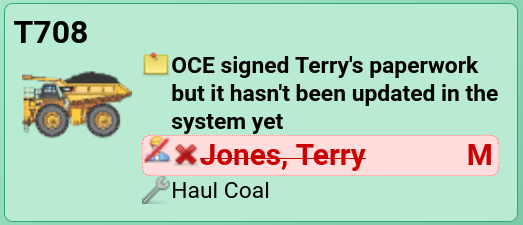
We recently integrated LineupBoard with Damstra for one of our clients. Beyond the usual back and forth of making sure that we identify the correct mappings of fleets to competencies, this site in particular came across something we don’t always see, integrating helped highlight data errors in their system.
By having LineupBoard flag when operators didn’t have a competency in the system, site was able to identify many instances where operator’s paperwork wasn’t finalised or entered properly. The operators were usually competent but the records did not reflect this.
As teams grow it’s harder and harder for supervisors, superintendents, and OCEs to know everyone’s skill mix and catch issues like this unless it’s visible and checked every shift. It’s just not feasible for leaders to know every competency, with every expiry date, for every worker. We need tools that surface compliance risks immediately - before they ever become operational incidents.
Competent But Not Compliant
Knowing the site in question, I’m confident that the training department prioritize having the most up-to-date and accurate information in their competency management system. Unfortunately, it can be a case of “not knowing what you don’t know” when it comes to missing data.
Imagine the risk to site if this error had not been caught and there was an incident with the operator who thought they were competent but that wasn’t reflected in site records! That’s the kind of gap a regulator will seize on, and one that can put both compliance and safety at risk
Compliance failures rarely come from a single mistake - they come when small errors align. Data accuracy is one of those critical layers of defense. It’s critically important that the information in our systems lines up with reality so that we can have faith in our administrative controls and maximize their effectiveness. The right tools enable our teams to do their best work.
With the right integrations helping provide visibility, compliance isn’t left to chance - it’s built into every shift. If your site relies on manual checks or outdated data, it’s worth reviewing your how you could use your integrations more effectively now - before compliance gaps become compliance risks.